

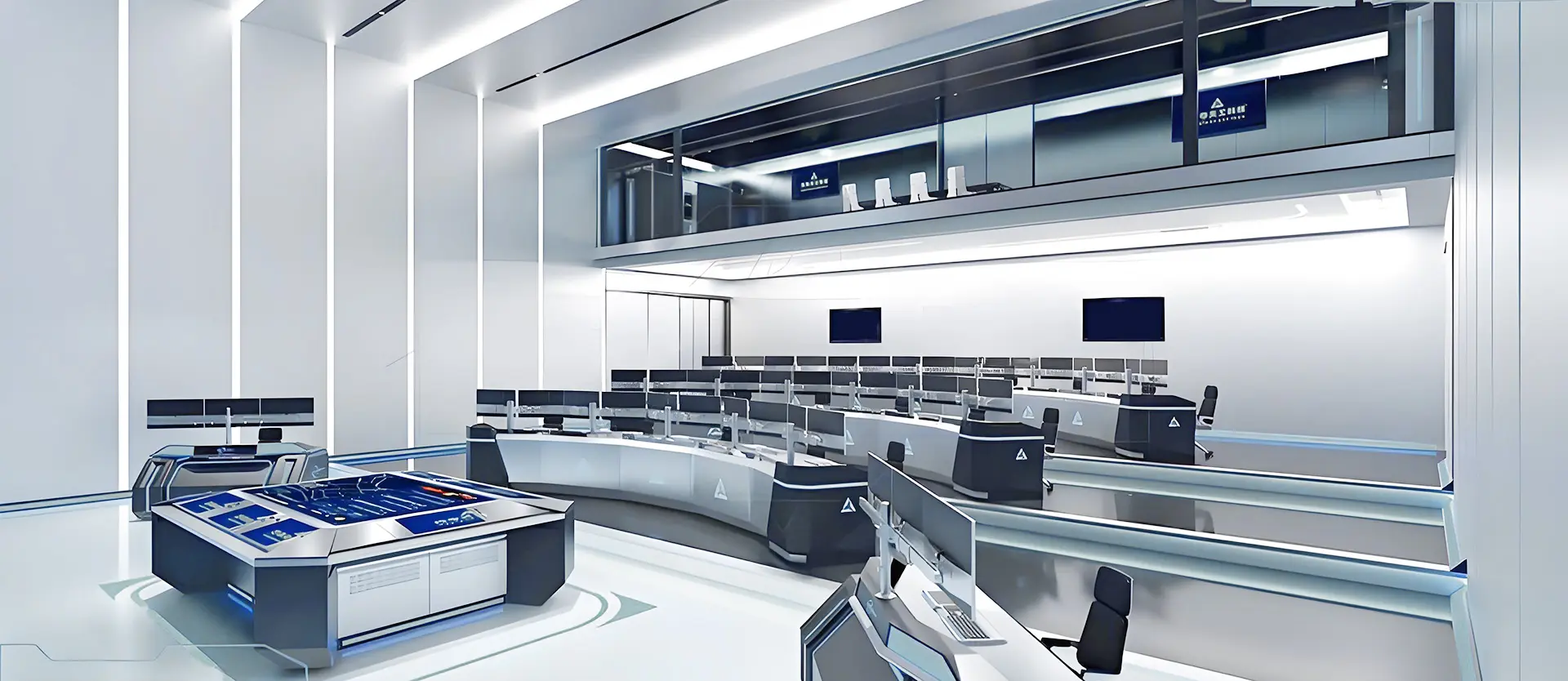
Military electronic sandboxes (digital sand tables) serve as integrated, immersive simulation platforms designed to improve the informatization, scientific approach, and realism of military training and education. These systems provide a virtual operational environment for commanders and personnel, facilitating tactical exercises, scenario simulation, operational planning, and emergency preparedness while minimizing real-world costs and risks.
Key System Features
Three-dimensional terrain visualization and scenario reconstruction, enabling high-fidelity replication of complex operational areas for realistic mission planning.
Tactical planning and scenario evaluation: Digital sandboxes support simulation and evaluation of diverse operational plans, enabling students and commanders to conduct war-gaming and collaborative exercises.

Real-time battlefield data integration: Multi-source data, including GIS, sensor feeds, and force deployment, are fused to present an up-to-date, dynamic operational picture.
AI-driven decision support and war-gaming: Sandboxes are integrated with artificial intelligence and analytics, permitting automated scheme generation, risk assessment, and outcome prediction.
Immersive simulation and interactive training: Integration with interactive displays, VR, and multi-point operator consoles increases participant engagement and optimizes curriculum delivery.
Courseware customization: Training programs and exercise modules are tailored for various command levels, specialties, and operational requirements.
Implementation Workflow
Needs Assessment: Training themes and objectives (combined arms operations, campaign command, terrain interpretation, etc.) are clarified based on the organization's mission profile.
Scenario Customization: Digital models are adapted to local or typical operational terrains with appropriate force and environment settings.
Simulation Execution: Teams or individuals work through tactical scenarios, responding dynamically to simulated adversary moves and operational contingencies.
Performance Review: The system automatically logs and analyzes training operations, generating after-action reports and feedback for iterative improvement.
Methods for Enhancing Commander Decision-Making Using Electronic Sandboxes
Military electronic sandboxes primarily enhance commander decision-making abilities through intelligent data integration, multidimensional situational awareness, and advanced decision support mechanisms.
1. Intelligent Data Fusion and Decision Support
Real-time aggregation and display of battlefield data improves commanders’ strategic awareness and inform complex decisions.
AI and analytics modules generate multiple actionable plans, quantify resource consumption, risk, and operational efficiency, thereby supporting evidence-based selection of optimal strategies.
Sandboxes simulate outcomes of various courses of action, enabling preemptive prediction and minimizing subjective errors.
2. Immersive Scenario Analysis and Collaborative Planning
Three-dimensional, interactive visualization allows commanders to explore terrain, assess threats, and design deployments with intuitive precision.
Multi-user interaction facilitates collaborative planning, real-time annotation, rapid scheme modification, and immediate team feedback, improving command coordination and collective judgment.
Remote, multi-terminal connectivity supports joint planning exercises across branches or agencies.
3. Iterative Training and Feedback
Simulated exercises are automatically logged and analyzed, providing quantitative feedback for targeted instructional intervention.
Layered decision simulations challenge commanders to respond under pressure, sharpening rapid response and rational judgment capabilities.
Personalized competency profiles are generated to guide capability development and progression over time.
These methods ensure military sandboxes serve as vital enablers for information-age leadership training and operational effectiveness, positioning commanders to thrive in evolving, complex warfare environments.
